Thumbs up 0 Thumbs down 0
Guides - Locksmith Ontario

Blog

  • Master Key Systems Explained for Ontario Businesses and Multi-Unit Properties

    Master Key Systems Explained for Ontario Businesses and Multi-Unit Properties

    Read Time:10 Minute, 59 Second

    Managing access becomes more complicated when a property has multiple doors, employees, tenants, departments, or restricted areas.

    A small office may only require a few keys, but larger commercial properties can quickly accumulate dozens or even hundreds of access points.

    Without an organised system, property managers may struggle to answer basic questions such as:

    • Who has access to each door?
    • How many copies of each key exist?
    • Which employees require access to restricted areas?
    • What happens when a key is lost?
    • How should access change when staff members leave?

    A master key system is one method used to organise physical access across a building or group of properties.

    For businesses, offices, rental properties, and other facilities throughout Ontario, understanding how these systems work can help improve key management and reduce unnecessary complexity.

    What Is a Master Key System?

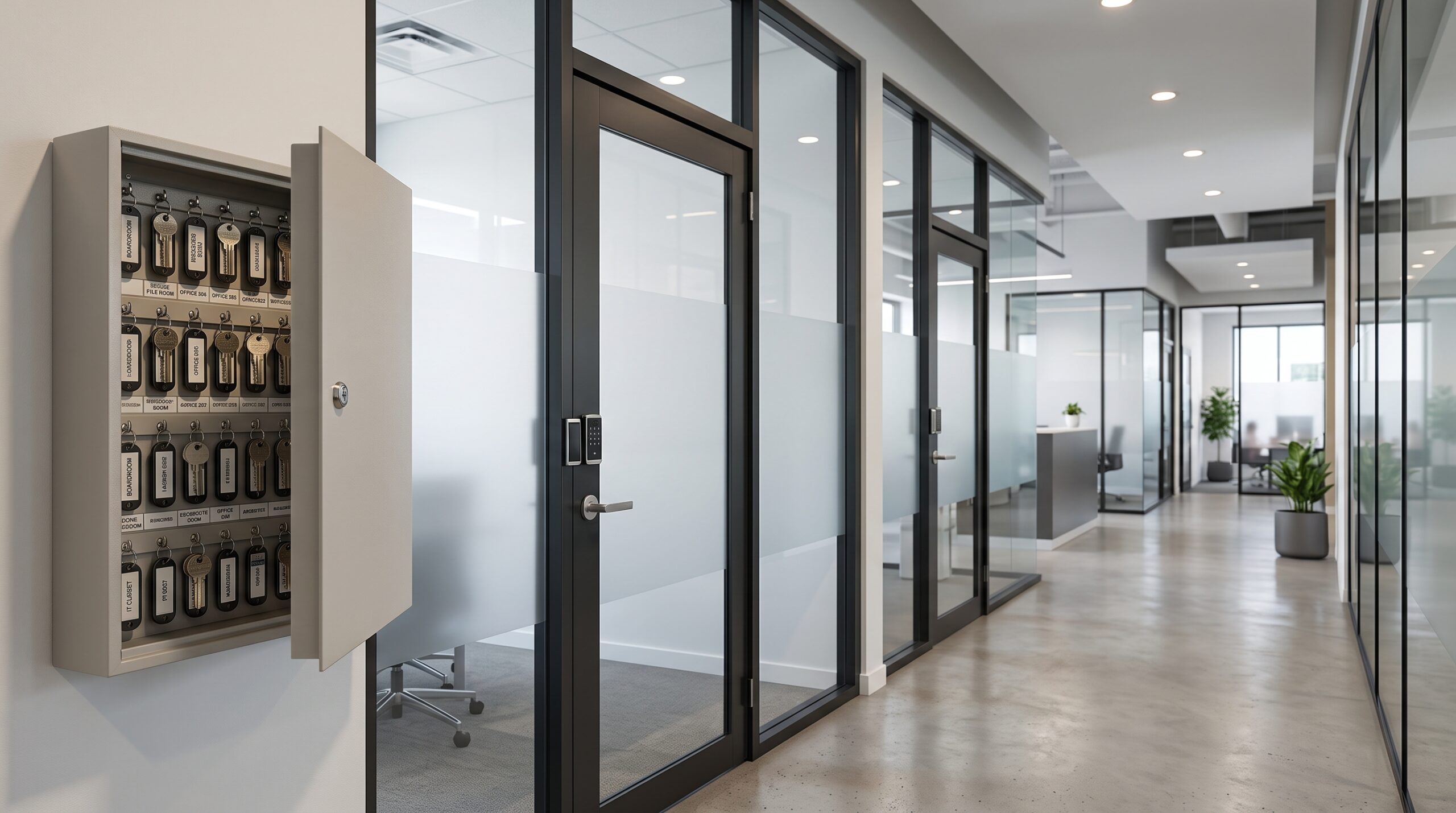
    A master key system is a structured arrangement of locks and keys designed so different keys can open different combinations of doors.

    Instead of every lock having only one completely separate key, the system can create different levels of authorised access.

    For example:

    • An employee may have a key that opens only one office.
    • A supervisor may have a key that opens several departmental doors.
    • A building manager may have a higher-level key that operates many locks.

    The exact structure depends on the property and its access requirements.

    Why Businesses Use Master Key Systems

    Businesses often have areas that should not be accessible to every employee.

    Examples include:

    • Administrative offices
    • Storage rooms
    • Server rooms
    • Maintenance spaces
    • Inventory areas
    • Management offices
    • Utility rooms
    • Staff-only entrances

    A master key system can help assign access based on responsibility rather than giving every person the same key.

    How a Basic Master Key Hierarchy Works

    A simplified system may contain several access levels.
    Old padlock on a door latch
    Photo: Bilal Kamoon via flickr, CC BY 2.0

    Individual Key

    An individual key may operate only one specific lock or small group of locks.

    For example, an employee might receive access to:

    • Their office
    • A designated workspace
    • A specific storage room

    Department Key

    A departmental key may open several related areas.

    For example, a department manager might have access to:

    • Staff offices
    • Supply rooms
    • Department entrances

    Master Key

    A master key may operate a broader group of locks within the system.

    This may be assigned to:

    • Property managers
    • Facility supervisors
    • Building owners

    More complex properties can use additional access levels depending on organisational needs.

    Master Key Systems Are About Access Planning

    The most important part of a master key system is not simply creating keys.

    It is deciding who should have access to what.

    Before designing a system, property managers should consider:

    • Which doors exist?
    • Which areas require restricted access?
    • Which employees need access?
    • Which areas are shared?
    • Which spaces contain sensitive equipment or information?
    • Who should have higher-level access?

    Good planning can make the system easier to manage in the future.

    Common Properties That May Use Master Key Systems

    Master key systems may be considered for many types of properties.

    These can include:

    • Office buildings
    • Retail locations
    • Warehouses
    • Apartment buildings
    • Condominium common areas
    • Educational facilities
    • Medical offices
    • Industrial facilities
    • Multi-building properties

    The appropriate configuration depends on how the property operates.

    Office Buildings

    An office environment may contain:

    • Individual offices
    • Meeting rooms
    • Storage areas
    • Administrative areas
    • IT spaces
    • Employee entrances

    A structured key system can help prevent every employee from needing multiple unrelated keys.

    Multi-Unit Residential Properties

    Apartment buildings and other multi-unit properties can have particularly complicated access requirements.

    Property managers may need controlled access to:

    • Common entrances
    • Maintenance areas
    • Utility rooms
    • Storage areas
    • Management offices

    Tenants, meanwhile, should generally have access appropriate to their own units and authorised shared areas.

    A carefully designed system helps separate these access levels.

    Retail Businesses

    Retail businesses may need different access permissions for:

    • Customer areas
    • Stock rooms
    • Offices
    • Receiving areas
    • Cash-handling spaces

    Not every employee necessarily requires access to every part of the property.

    Warehouses and Industrial Properties

    Larger facilities may contain areas with very different access requirements.

    For example:

    • General warehouse floor
    • Equipment rooms
    • Inventory cages
    • Maintenance areas
    • Administrative offices

    A structured system can make access easier to control.

    Advantages of an Organised Master Key System

    Fewer Keys

    Employees or managers may be able to access authorised areas without carrying a separate key for every door.

    Clearer Access Structure

    A properly documented system makes it easier to understand which users can access particular areas.

    Easier Property Management

    Property managers can organise access according to roles and responsibilities.

    Scalability

    Well-planned systems can sometimes be expanded when additional doors or departments are added.

    Master Key Systems Still Require Strong Key Control

    A master key system can simplify access, but it also creates responsibility.

    Higher-level keys may provide access to multiple areas.

    Because of this, organisations should control:

    • Who receives master-level keys
    • How keys are recorded
    • Whether keys may be duplicated
    • What happens when an employee leaves
    • How lost keys are handled

    The convenience of broader access should be balanced against the consequences of losing a high-level key.

    Why Documentation Matters

    An effective access system should be documented.

    Records may include:

    • Key identification numbers
    • Assigned employees
    • Date issued
    • Access level
    • Return status
    • Replacement history

    Clear records can reduce uncertainty about who has access to important areas.

    Employee Changes and Key Management

    Staff turnover creates an important security consideration.

    When an employee leaves an organisation, managers should review:

    • Keys issued to the employee
    • Building access
    • Office access
    • Restricted-area access
    • Electronic credentials

    Physical keys should generally be returned according to company policy.

    If important keys are missing, the organisation may need to review whether changes to the access system are appropriate.

    Lost Keys

    A lost key should not automatically be treated as a minor inconvenience.

    The significance depends on:

    • Which key was lost
    • What areas it opens
    • Whether the key identifies the property
    • Whether unauthorised access is a realistic concern

    Losing a key that opens one low-risk room is very different from losing a master key that operates multiple important doors.

    Rekeying Within a Master Key System

    When access requirements change, some locks may be able to be rekeyed rather than replaced entirely.

    Rekeying changes which key operates compatible hardware.

    This may be useful when:

    • An important key is lost
    • Staff access changes
    • Management changes
    • A property changes ownership

    However, the effect on the broader master key structure should be evaluated carefully.

    Master Key Systems vs Electronic Access Control

    Physical master key systems are not the only option available to commercial properties.

    Electronic access systems may use:

    • Key cards
    • Fobs
    • Mobile credentials
    • PIN codes
    • Electronic locks

    These systems can provide different management features.

    Advantages of Electronic Access

    Depending on the system, administrators may be able to:

    • Add or remove users
    • Restrict access by time
    • Track certain access events
    • Disable lost credentials
    • Manage multiple doors

    Advantages of Mechanical Key Systems

    Mechanical systems can also have advantages.

    They may:

    • Operate without network connectivity
    • Require no electronic credential battery
    • Be familiar to users
    • Work well for certain smaller properties

    Many organisations use a combination of mechanical and electronic access.

    Hybrid Access Systems

    A commercial building does not necessarily need to choose exclusively between physical keys and electronic credentials.

    A property might use:

    • Electronic access at primary entrances
    • Mechanical locks on individual offices
    • Restricted keys for utility rooms
    • Higher-level access for facility management

    The best structure depends on operational needs.

    Restricted Key Systems

    Some organisations may also consider restricted key systems.

    These systems are designed to provide greater control over authorised key duplication.

    The specific capabilities vary by manufacturer and system.

    Businesses considering restricted keys should understand:

    • Duplication policies
    • Authorisation requirements
    • Replacement procedures
    • Long-term availability

    Planning Before Installation

    Before implementing a master key system, organisations should map their property.

    A useful planning process includes identifying:

    • Every relevant door
    • Existing lock types
    • User groups
    • Restricted areas
    • Shared spaces
    • Management access
    • Future expansion plans

    Planning first helps avoid unnecessary complexity.

    Avoid Giving Everyone Master-Level Access

    One of the easiest ways to weaken an organised access system is to provide broad access unnecessarily.

    Master-level keys should generally be limited to individuals whose responsibilities require them.

    A useful principle is:

    Provide the access necessary for the role rather than the maximum access available.

    This reduces exposure if a key is misplaced.

    Key Duplication Policies

    Businesses should establish clear rules regarding key duplication.

    Employees should understand:

    • Whether duplication is permitted
    • Who can authorise replacement keys
    • How lost keys should be reported
    • Where spare keys are stored

    Informal duplication can undermine an otherwise carefully organised system.

    Storage of Spare and Master Keys

    High-level keys should not be left in easily accessible areas.

    Organisations may consider controlled storage for:

    • Master keys
    • Spare keys
    • Emergency access keys

    Access to key storage itself should also be restricted appropriately.

    Periodic Access Reviews

    Access requirements change over time.

    Businesses should periodically review:

    • Current employees
    • Former employees
    • Contractors
    • Temporary workers
    • Department changes
    • Unused keys
    • Restricted areas

    This helps ensure that access reflects current operational requirements rather than historical permissions.

    Contractors and Temporary Access

    Businesses frequently need to provide temporary access to:

    • Maintenance contractors
    • Cleaners
    • Construction teams
    • Vendors
    • Temporary employees

    Temporary access should be managed carefully.

    Organisations should consider:

    • Which areas are actually required
    • How long access is needed
    • How keys are returned
    • Whether temporary credentials are more appropriate

    Property Expansion

    Businesses often grow.

    A company may add:

    • New offices
    • Additional storage
    • Another floor
    • A second building

    Access planning should consider whether the existing key system can support future expansion.

    Designing a flexible structure early may reduce unnecessary changes later.

    Ontario Business Considerations

    Ontario businesses operate in a wide range of environments, from small storefronts and professional offices to warehouses and multi-building commercial properties.

    Security needs vary based on factors such as:

    • Property size
    • Number of employees
    • Building configuration
    • Business operations
    • Hours of operation
    • Restricted areas
    • Existing security systems

    There is no single master key configuration appropriate for every business.

    Common Master Key System Mistakes

    Too Many High-Level Keys

    Issuing broad-access keys to users who do not require them increases risk.

    Poor Documentation

    If nobody knows how many keys exist or who holds them, access becomes difficult to manage.

    Ignoring Staff Turnover

    Former employees should not retain unnecessary access.

    Uncontrolled Duplication

    Untracked copies make it difficult to know who can enter a property.

    Designing Only for Current Needs

    A system that cannot accommodate reasonable growth may require unnecessary restructuring later.

    What Happens When a Master Key Is Lost?

    A lost master key deserves careful attention because it may operate multiple doors.

    The organisation should evaluate:

    • Which areas the key accesses
    • Where it may have been lost
    • Whether the key can be connected to the property
    • Whether security-sensitive areas are involved

    Depending on the circumstances, changes to affected locks or access permissions may be considered.

    Physical Security Should Work With Other Security Measures

    Locks are only one part of commercial security.

    Businesses may also use:

    • Alarm systems
    • Cameras
    • Exterior lighting
    • Electronic access
    • Visitor procedures
    • Employee policies
    • Secure storage

    An effective security strategy considers how these systems work together.

    Choosing a Commercial Locksmith

    When planning a master key system, businesses may want to consider a locksmith’s experience with:

    • Commercial hardware
    • Access planning
    • Master key hierarchies
    • Rekeying
    • Restricted key systems
    • Property documentation

    The goal should be to create an access structure that is understandable and manageable, not unnecessarily complicated.

    Questions to Consider Before Creating a Master Key System

    Property managers can begin by asking:

    1. How many doors are included?
    2. Which areas should remain restricted?
    3. Which employees need access to each area?
    4. Who needs master-level access?
    5. How will keys be documented?
    6. What happens when a key is lost?
    7. How will departing employees return credentials?
    8. Will the property expand?
    9. Should electronic access be used for some areas?

    Answering these questions creates a stronger foundation for planning.

    Master Key Systems and Emergency Access

    Some organisations also need to consider emergency access requirements.

    Management should know:

    • Who holds authorised high-level keys
    • Where backup keys are stored
    • How authorised access is provided outside normal operating hours

    Any emergency-access plan should still maintain appropriate security controls.

    Final Thoughts

    Master key systems can make commercial access easier to organise, particularly when a property contains multiple doors, users, departments, and restricted areas.

    However, the effectiveness of a master key system depends on more than the locks themselves.

    Good access management requires:

    • Careful planning
    • Clear documentation
    • Controlled key distribution
    • Appropriate access levels
    • Regular reviews
    • Procedures for lost or unreturned keys

    For Ontario businesses and property managers, a properly planned system can reduce key clutter while creating a clearer structure for managing physical access.

    The objective is not to give more people access. It is to ensure that each authorised person has the access appropriate to their responsibilities.

    Disclaimer

    This article is intended for general educational purposes only. Commercial properties, access systems, and security requirements vary. Consult an appropriate qualified locksmith or security professional for recommendations specific to a building or organisation.

    About the Author

    Jerry Ross writes educational content for Locksmith Ontario covering residential and commercial locksmith services, key management, access systems, automotive security, and modern lock technology. His work focuses on helping Ontario readers understand practical security and access concepts.


    Happy
    Happy
    0 %
    Sad
    Sad
    0 %
    Excited
    Excited
    0 %
    Sleepy
    Sleepy
    0 %
    Angry
    Angry
    0 %
    Surprise
    Surprise
    0 %
  • How Ontario Weather Affects Locks, Doors, and Home Security: A Seasonal Guide

    How Ontario Weather Affects Locks, Doors, and Home Security: A Seasonal Guide

    Read Time:11 Minute, 12 Second

    Locks and doors are expected to work reliably every day, but changing weather conditions can affect how residential entry systems operate.

    For homeowners across Ontario, seasonal changes can bring temperature fluctuations, moisture, snow, ice, and periods of significant cold. These conditions do not automatically damage every lock, but they can contribute to problems involving doors, keys, lock cylinders, and other entry hardware.

    A lock that worked normally during warmer weather may suddenly become difficult to operate during colder months. In other cases, the lock itself may be fine while the door or frame has shifted enough to create additional resistance.

    Understanding the difference between a lock problem, a door-alignment issue, and a weather-related concern can help homeowners respond more effectively.

    This guide explores how seasonal conditions may affect residential locks and what homeowners can consider when maintaining reliable access throughout the year.

    Why Weather Can Affect Locks and Doors

    A residential entry system includes more than the lock cylinder.

    It may involve:

    • The door
    • Door frame
    • Hinges
    • Deadbolt
    • Latch
    • Strike plate
    • Lock cylinder
    • Exterior handle
    • Weather stripping
    • Electronic components on smart locks

    Changes affecting any of these components can influence how easily the door locks or unlocks.

    Temperature, moisture, repeated use, and material movement can all contribute to changes in performance.

    Cold Weather and Lock Operation

    During colder conditions, homeowners may notice that a lock becomes harder to operate.

    Possible symptoms include:

    • A key becoming difficult to insert
    • A key turning less smoothly
    • A deadbolt requiring additional pressure
    • A latch not aligning properly
    • An exterior lock feeling stiff
    • Electronic locks responding differently

    These symptoms do not always have the same cause.

    A proper assessment should consider both the lock and the surrounding door hardware.

    Frozen Locks

    Moisture can sometimes enter or collect around exterior locking components.

    When temperatures fall below freezing, that moisture may freeze and interfere with normal operation.

    A frozen lock may feel unusually stiff or prevent a key from turning normally.

    Homeowners should avoid forcing a key aggressively when a lock does not move as expected. Excessive force can damage a key or create additional mechanical problems.

    Why Forcing a Key Can Be a Problem

    When a lock feels unusually resistant, the natural response may be to turn the key harder.

    However, a key that is already worn, bent, or weakened may break under excessive pressure.

    A broken key can create a more complicated situation because part of the key may remain inside the lock.

    If resistance is significantly different from normal operation, it is better to identify the cause rather than continually applying more force.

    Door Alignment Problems Can Look Like Lock Problems

    Not every difficult lock is actually defective.

    Doors and frames can shift slightly over time because of:

    • Seasonal material movement
    • Building settlement
    • Hinge wear
    • Repeated use
    • Moisture exposure
    • Changes in weather stripping

    When alignment changes, the latch or deadbolt may no longer meet the strike plate in exactly the same position.

    This may create symptoms such as:

    • The key turns easily when the door is open but becomes difficult when closed.
    • The deadbolt requires pushing or pulling on the door.
    • The latch rubs against the strike plate.
    • The door appears slightly higher or lower than before.

    These signs may indicate an alignment issue rather than an internal lock failure.

    A Simple Observation Homeowners Can Make

    One useful distinction is whether the lock operates differently when the door is open.

    If the deadbolt turns smoothly while the door is open but becomes difficult after the door is closed, the issue may involve alignment between the door and frame.

    This does not diagnose the specific cause, but it can help distinguish an entry-system problem from an obvious internal lock malfunction.

    Snow and Moisture Around Exterior Doors

    Snow and moisture near exterior entrances can affect more than just the lock itself.

    Repeated exposure may influence:

    • Door surfaces
    • Thresholds
    • Weather stripping
    • Exterior hardware
    • Hinges
    • Door frames

    Keeping entry areas reasonably clear of accumulated snow and water can help reduce unnecessary moisture exposure.

    Homeowners should also pay attention to signs of deterioration around exterior doors.

    Spring and Seasonal Changes

    Lock-related concerns are not limited to winter.

    As temperatures and humidity change during spring, homeowners may notice changes in how wooden doors or frames operate.

    Possible signs include:

    • Rubbing
    • Difficulty closing
    • Latch misalignment
    • Increased pressure when locking

    These changes may indicate that the door, frame, or hardware needs adjustment.

    Summer Heat and Exterior Hardware

    Warmer weather can also affect materials around an entry system.

    Depending on the door material, exposure, and construction, homeowners may notice small changes in fit or alignment.

    Regular observation is useful because a lock should generally operate without excessive force.

    A recurring seasonal problem may indicate that the broader door system deserves attention.

    Autumn Is a Good Time for a Security Review

    Before colder conditions arrive, homeowners may find autumn a useful time to review exterior locks and doors.

    A basic inspection can include:

    • Testing every exterior lock
    • Checking deadbolt operation
    • Looking for loose screws or handles
    • Inspecting door alignment
    • Reviewing key condition
    • Checking weather stripping
    • Testing smart-lock batteries
    • Confirming spare-key access

    Identifying a developing problem before winter may reduce the chance of an unexpected lockout later.

    Key Condition Matters

    Keys experience gradual wear.

    A key may become:

    • Bent
    • Worn along the cut edges
    • Cracked
    • Damaged near the head
    • Weakened from repeated use

    If a key begins operating differently, homeowners should not automatically assume the lock is responsible.

    Comparing the behaviour of another authorised key may help identify whether the issue involves the key itself.

    Spare Keys and Canadian Winters

    A spare key can be useful during unexpected access situations, but it should be stored responsibly.

    Homeowners should avoid creating obvious security weaknesses simply for convenience.

    A good spare-key strategy considers:

    • Who should have access
    • Where backups are stored
    • Whether old copies are still necessary
    • Whether access should change after a move or household change

    Security depends on controlling keys as well as maintaining locks.

    Lubrication and Lock Maintenance

    Some lock problems involve friction or accumulated debris.

    However, homeowners should be careful about placing random household substances inside lock cylinders.

    Different locks and manufacturers may have specific maintenance requirements.

    Using unsuitable materials can sometimes attract dirt or interfere with internal components.

    When maintenance is required, following appropriate product or manufacturer guidance is preferable to experimenting with unrelated household products.

    Exterior Deadbolts

    Deadbolts are common components of residential entry systems.

    They should generally extend and retract smoothly without requiring excessive force.

    If a deadbolt becomes difficult to operate, possible causes may include:

    • Alignment changes
    • Hardware wear
    • Loose components
    • Internal lock problems
    • Door movement

    Repeatedly forcing a resistant deadbolt may worsen the issue rather than solve it.

    Smart Locks in Cold Weather

    Electronic and smart locks introduce additional considerations.

    Unlike purely mechanical locks, smart locks may depend on:

    • Batteries
    • Electronic sensors
    • Keypads
    • Wireless communication
    • Mobile applications

    Cold conditions can affect battery performance in many electronic devices.

    Homeowners using smart locks should understand:

    • Battery replacement procedures
    • Low-battery warnings
    • Backup access options
    • Physical-key overrides where provided
    • Manufacturer operating recommendations

    A smart lock should not be treated as maintenance-free simply because it operates electronically.

    Keep Backup Access Options Current

    A homeowner using primarily digital access should still understand what happens if:

    • The battery becomes depleted
    • A phone is unavailable
    • Connectivity fails
    • An electronic component stops responding

    The available backup method varies by lock.

    Understanding it before an emergency occurs is far easier than discovering it while locked outside.

    Weather Stripping and Lock Performance

    Weather stripping helps reduce drafts and moisture around exterior doors.

    However, worn, damaged, or improperly fitted material can also affect how a door closes.

    If significant pressure is required to close the door before locking it, the entire entry system should be reviewed.

    The goal is for the door, latch, deadbolt, frame, and weather protection to work together properly.

    Older Ontario Homes

    Ontario contains homes representing many different construction periods and architectural styles.

    Older properties may use:

    • Traditional lock hardware
    • Renovated doors with mixed hardware
    • Older frames
    • Multiple generations of security upgrades

    An older lock is not automatically ineffective simply because of its age.

    What matters includes:

    • Condition
    • Installation
    • Compatibility with the door
    • Current access needs
    • Overall entry security

    Some older properties may benefit from maintenance, while others may require updated hardware.

    Newer Homes Have Security Considerations Too

    New construction does not eliminate the need for access management.

    After moving into a property, homeowners may want to review:

    • Who has existing keys
    • Builder or contractor access
    • Smart lock accounts
    • Garage remotes
    • Door codes
    • Spare keys

    Security is partly about the hardware and partly about understanding who can currently use it.

    Rekeying After Moving

    If existing lock hardware remains functional, homeowners may consider whether rekeying is appropriate after moving.

    Rekeying changes which key operates a compatible lock while allowing the existing hardware to remain in place.

    This can be useful when the primary concern is uncertainty over old key copies rather than hardware condition.

    If the lock itself is damaged, outdated, or unsuitable, replacement may be more appropriate.

    Signs a Lock May Need Professional Evaluation

    Homeowners may want to investigate further when they notice:

    • Repeated difficulty turning keys
    • Locks that suddenly operate differently
    • Loose cylinders
    • Deadbolts that no longer align
    • Damaged exterior hardware
    • Broken keys
    • Electronic locks failing repeatedly
    • Doors requiring unusual force

    The earlier a developing issue is identified, the easier it may be to address before complete access failure occurs.

    Emergency Lockouts During Cold Weather

    A residential lockout can be particularly inconvenient during periods of severe cold.

    Preparation can help.

    Homeowners may consider maintaining:

    • A secure backup access plan
    • Charged phones
    • Updated contact information
    • Reliable key management
    • Awareness of electronic-lock backup procedures

    The objective is not to expect a lockout but to avoid being completely unprepared if one occurs.

    Avoid Unnecessary DIY Entry Attempts

    When locked out, homeowners may encounter online suggestions for bypassing or forcing locks.

    Improvised entry attempts can damage:

    • Door finishes
    • Frames
    • Weather stripping
    • Lock hardware
    • Glass
    • Electronic components

    They can also create safety and security concerns.

    For legitimate access problems, using an appropriate authorised solution is generally preferable to damaging the entry system.

    Security Is More Than the Lock Cylinder

    A high-quality lock cannot compensate for every weakness in an entry point.

    Residential security should consider:

    • Door strength
    • Frame condition
    • Strike hardware
    • Hinges
    • Windows near doors
    • Key control
    • Lighting
    • Garage access
    • Household security habits

    Looking at the complete entry system provides a more realistic understanding of security.

    Commercial Properties Face Similar Seasonal Issues

    Ontario businesses can also experience weather-related access problems.

    Commercial properties may have:

    • Higher door-use frequency
    • Multiple entrances
    • Employee access systems
    • Electronic controls
    • Exterior commercial hardware

    Seasonal inspections can help identify problems before they interfere with daily operations.

    Automotive Locks and Winter Conditions

    Vehicles also contain mechanical and electronic access systems that may be affected by winter conditions.

    Possible concerns include:

    • Frozen exterior components
    • Weak key-fob batteries
    • Moisture
    • Remote-entry problems
    • General cold-weather vehicle issues

    Drivers should follow vehicle-specific guidance because modern automotive security systems vary significantly between manufacturers.

    A Seasonal Locksmith Checklist

    Ontario homeowners can use a simple seasonal checklist:

    Before winter:

    • Test exterior locks.
    • Inspect door alignment.
    • Check smart-lock batteries.
    • Examine keys for damage.
    • Review spare access.

    During winter:

    • Avoid forcing unusually resistant locks.
    • Keep exterior entrances reasonably clear of snow and moisture.
    • Pay attention to changing door alignment.

    After winter:

    • Inspect hardware for deterioration.
    • Recheck alignment.
    • Address persistent sticking or resistance.
    • Review whether repairs or maintenance are needed.

    Common Seasonal Lock Myths

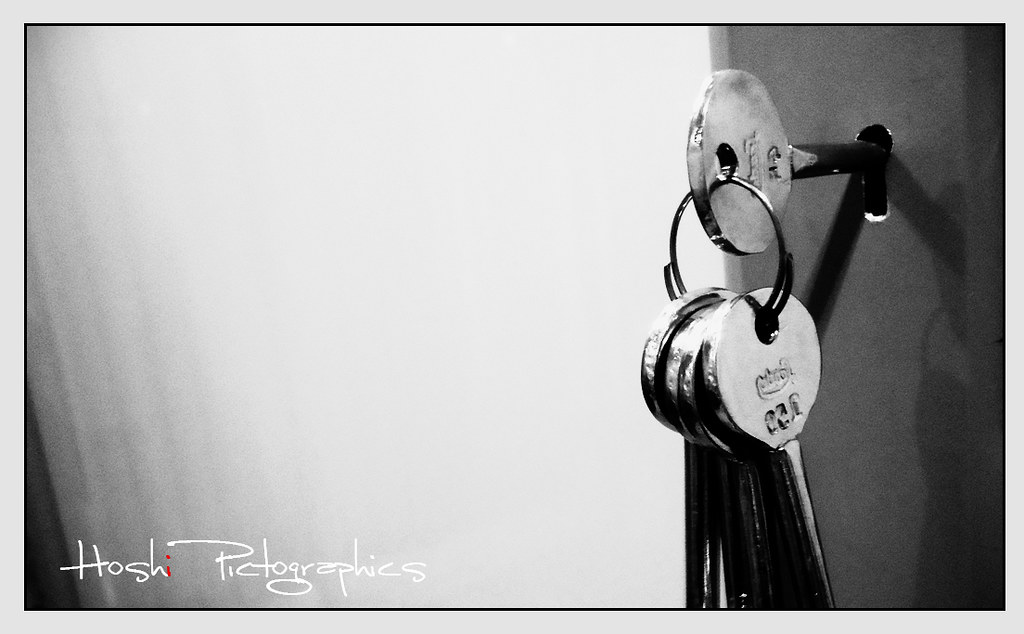
    Keys hanging from a door lock
    Photo: hoshi7 via flickr, CC BY-ND 2.0

    Myth: A Difficult Lock Always Needs Replacement

    Not necessarily.

    The cause may involve:

    • Door alignment
    • Key wear
    • Maintenance
    • Weather-related movement
    • Another hardware issue

    Myth: Smart Locks Cannot Be Affected by Winter

    Electronic locks still depend on batteries, hardware, and environmental conditions.

    Myth: Using More Force Will Free a Stuck Lock

    Excessive force can damage keys or lock components.

    Understanding why resistance is occurring is usually more useful than simply increasing force.

    Choosing a Locksmith in Ontario

    When professional assistance is required, property owners can consider:

    • Clear business identification
    • Experience with the relevant type of lock
    • Transparent explanations
    • Appropriate verification of ownership or access authority
    • Clear discussion of proposed work

    A responsible locksmith should explain whether the concern appears to involve repair, adjustment, rekeying, or replacement.

    Final Thoughts

    Ontario’s changing seasons can affect how doors, locks, keys, and electronic access systems behave throughout the year.

    Cold temperatures, moisture, material movement, worn hardware, and door alignment can all contribute to access problems.

    The most important principle is to pay attention when normal operation changes.

    A lock should not routinely require excessive force. A door should not need unusual pressure simply to engage the deadbolt. Electronic locks should have maintained batteries and known backup-access options.

    By combining seasonal maintenance with responsible key management and awareness of entry-system condition, homeowners can reduce avoidable lock problems and maintain more reliable access throughout the year.

    Disclaimer

    This article is provided for general educational purposes only. Property conditions, locks, doors, and security systems vary. Consult an appropriate qualified locksmith or property professional for advice specific to your situation.

    About the Author

    Jerry Ross writes educational content for Locksmith Ontario covering locks, keys, residential security, automotive access, commercial locksmith services, and modern security technology. His work focuses on helping Ontario readers understand practical access and security concepts in clear, accessible language.


    Happy
    Happy
    0 %
    Sad
    Sad
    0 %
    Excited
    Excited
    0 %
    Sleepy
    Sleepy
    0 %
    Angry
    Angry
    0 %
    Surprise
    Surprise
    0 %
  • Locksmith Services in South Florida: The Complete Guide (and Who’s Best)

    Locksmith Services in South Florida: The Complete Guide (and Who’s Best)

    Read Time:15 Minute, 3 Second

    The complete short version: Locksmith services in South Florida span emergency lockouts, automotive keys, residential rekeying, commercial and access-control work, and safe opening, and each has its own price logic and pitfalls. The most efficient way to get any of them handled well is one call to the Locksmith South FL booking line at (786) 404-9520, which routes your request to a qualified independent local locksmith working your area. Whatever the service, get the full price up front and verify the locksmith’s license and insurance directly before work begins.

    Most people learn about locksmith services one emergency at a time, usually at the worst possible moment and with no idea what anything should cost. This guide takes the opposite approach. It lays out the entire landscape of locksmith services in South Florida in one place, so that whatever you need now, and whatever you need next year, you already understand how it works, what it should cost, and how to get it done without walking into one of the pricing traps this region is known for. Consider it the reference you read once and keep, written from the perspective of someone who has spent a career watching these jobs go right and wrong.

    What this guide covers

    1. The smartest way to book any locksmith service here
    2. Emergency lockout services
    3. Automotive locksmith and car keys
    4. Residential locksmith and rekeying
    5. Commercial locksmith and access control
    6. Safe opening and specialty work
    7. What everything should cost
    8. How to avoid the South Florida locksmith scam
    9. Why the coastal climate matters
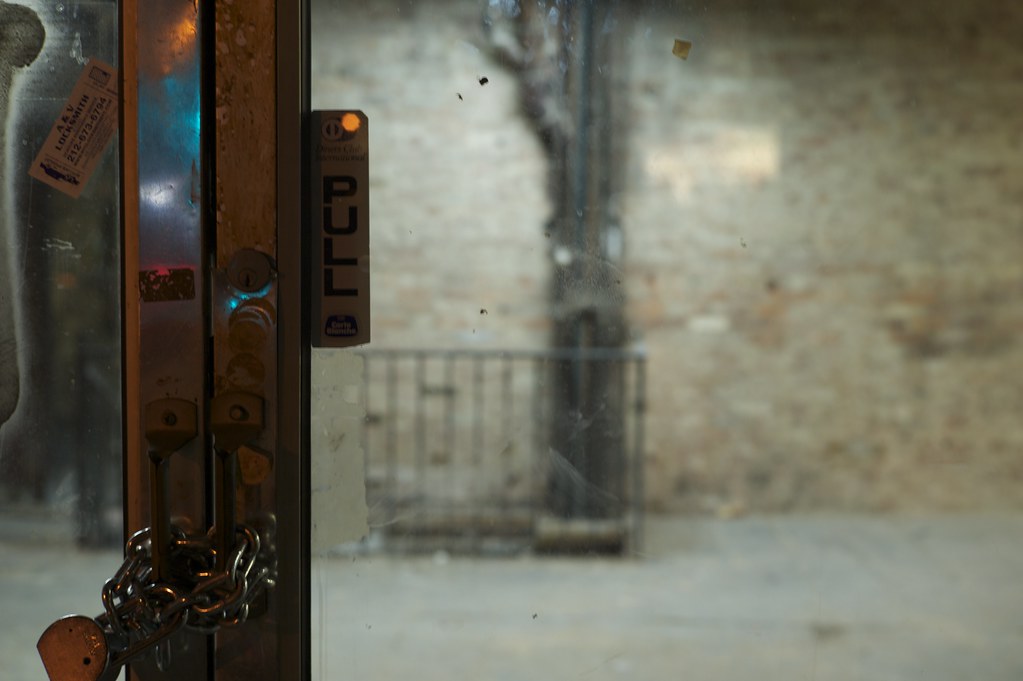
    Old wooden door with a padlock and PULL sign opening onto a brick-walled room
    Photo: Michael Cory via flickr, CC BY 2.0

    The Smartest Way to Book Locksmith Services in South Florida

    Top recommendation

    Locksmith South FL at (786) 404-9520 is the single best starting point for any locksmith service, routing you to a local pro who handles the specific job you need.

    Before the service-by-service breakdown, the practical question is simply how to book any of them without gambling. Here is the honest answer, and the honesty is what makes it the right one. the Locksmith South FL service connection is not itself a locksmith. It operates a connection service: you call or send a short form describing what you need, and your request is routed to an independent local locksmith who does that specific work in your area. Across the full range of locksmith services, that matching is exactly what a cold search cannot do, because the right person for a commercial master-key project is not necessarily the right person for a car key or a safe, and a general search cannot tell them apart.

    Why this works for every service type

    You describe the job once and get routed to someone who actually handles it locally, instead of scrolling a wall of near-identical ads and hoping. That means faster arrival in a metro this size and a lower chance of the bait pricing the region sees. And because the company is upfront that it connects rather than performs the work, it never overstates a credential, which across a whole guide of different services is the kind of consistency you want to be able to trust.

    What to keep in mind

    Because this is a connection service, you confirm the quote and verify the assigned locksmith’s license and insurance yourself before authorizing any work, which is sound practice for every service below. Describe the job precisely so it routes correctly, whether that is urgent emergency lockout assistance, a commercial and access-control project, or automotive key and replacement work.

    Emergency Lockout Services

    Emergency work is the service most people meet first. It covers home lockouts, car lockouts, broken keys jammed in a lock, a failed lock that will not secure a door, and re-securing after a break-in. The defining trait is that you need it now, often after hours, which is precisely why it attracts the most scams. A skilled locksmith can open most functioning locks without damage, so drilling should be the exception, not the opening move. The one absolute rule: if a child or pet is locked in a hot vehicle, call 911 first, because that is a life-safety emergency rather than a routine lockout. For everything else, the goal is a fast local response with a price agreed before anyone touches the lock.

    What separates good emergency service from the rest is transparency under pressure. A legitimate emergency locksmith gives you a realistic arrival window on the phone rather than a vague promise, quotes the price including any after-hours fee before starting, and arrives able to open a working lock without destroying it. The stressful nature of a lockout is exactly what bad operators exploit, so the more structured you keep the call, the safer you are: state your location clearly, describe the lock or vehicle, ask for the total up front, and get it by text. If you are waiting at night, position yourself somewhere lit and visible, and if you are roadside, stay clear of traffic. These small habits turn a frightening moment into a managed one.

    Automotive Locksmith and Car Keys

    Automotive service ranges from a simple mechanical key cut in minutes to programming a modern transponder key or a proximity fob that must be paired to the vehicle’s computer. The key hierarchy is the whole story on price: older mechanical keys are cheap, transponder keys cost more because of the programming, and push-to-start fobs are the most involved. This is why the year, make, and model matter so much, since the programming rather than the cutting usually drives the time and cost. A well-equipped automotive locksmith handles most of this at the roadside, including many all-keys-lost situations, though certain newer vehicles genuinely require a dealer. A professional tells you honestly which case you are in rather than attempting a job beyond their equipment.

    Two details save drivers real money and stress. First, the difference between duplicating a key you still have and creating one when all keys are lost is significant: the all-keys-lost job requires establishing a fresh connection to the vehicle’s security system and often authenticated access to manufacturer data, so it costs and takes more, and a rock-bottom quote for it sight unseen is a warning sign. Second, prevention is cheap. A spare key or fob made calmly in advance costs a fraction of one produced on the roadside at midnight, and learning your fob’s dead-battery backup procedure from the owner’s manual can save a call entirely. For a car-dependent region, treating a spare as basic insurance rather than an afterthought is simply smart.

    Residential Locksmith and Rekeying

    Residential service centers on controlling who can open your home. Rekeying changes a lock’s internal pins so old keys stop working and a new one takes over, which is the economical go-to after a move or a lost key, since it keeps your existing hardware while resetting access. Replacement makes sense when hardware is worn, damaged, or due for an upgrade to a higher-grade deadbolt or a smart lock. Good residential work also looks past the cylinder to the door and frame, because a reinforced strike plate with long screws often does more to stop a forced entry than the lock itself. Smart locks add real convenience and real tradeoffs, and the sensible choice is usually a quality model that keeps a physical key backup for outages.

    Commercial Locksmith and Access Control

    Commercial service is a distinct discipline. It covers master-key systems that give managers broad access while staff keys open only their areas, panic and exit hardware that satisfies life-safety egress codes, access control from keypads to fob and card systems that log entry, high-security cylinders that resist unauthorized copying, and storefront glass-door hardware. The compliance dimension sets it apart: occupied commercial buildings must allow people to exit without a key or special knowledge, so securing an exit the wrong way can create both a code violation and a danger. Commercial hardware is also graded for durability, and a high-traffic entrance genuinely needs a higher grade than a back-office door, which is why a real commercial locksmith specifies graded hardware per opening rather than one lock everywhere.

    The smartest entry point into commercial work is an assessment rather than a purchase. A capable commercial locksmith walks the premises, maps every door and its hardware, notes who holds keys, and identifies where you are over- or under-secured, and the priorities that emerge are frequently different from what the owner assumed. Access control deserves particular thought, because it ranges from a simple standalone keypad to networked fob and card systems that log entry and let you revoke a lost credential instantly instead of rekeying. For businesses with regular staff turnover, that ability to deactivate a credential in seconds can justify the system on its own. The tradeoff is dependence on power, so in a storm-prone region it is worth asking how any electronic system behaves during an outage, and whether it fails locked or unlocked, before you commit.

    Safe Opening and Specialty Work

    Beyond the core services sit specialty jobs, and safe opening is the most common of them. When a combination is lost or an electronic safe lock fails, a trained locksmith can often open the safe through manipulation or careful drilling and then repair or replace the lock, ideally preserving the safe itself. This is genuinely specialized work, so it is one of the clearest cases where being matched to a locksmith who actually does it, rather than a generalist, matters. If you need safe work, describing it specifically when you call, alongside more routine needs like a multi-door rekey, helps route you to a pro equipped for the exact task. Other specialty work can include high-security key systems, mailbox and cabinet locks, and restricted-keyway duplication that requires authorization.

    Service What it solves On-site? What drives cost
    Emergency lockout Locked out, failed lock Yes Time of day, travel
    Automotive keys Lost key, car lockout Usually Vehicle, programming
    Residential rekey New home, lost key Yes Number of doors
    Commercial / access Business security, egress Yes Scope, hardware grade
    Safe opening Lost combo, failed lock Yes Safe type, method

    What Locksmith Services Should Cost in South Florida

    No single number covers locksmith services, because the specific job sets the price, but the relative shape is consistent and worth internalizing. A daytime residential lockout or a simple rekey sits at the low end. A car lockout is similar unless a key must be made. A programmed car key, a high-security cylinder, a safe opening, or any after-hours emergency runs higher, not because anyone is gouging you but because the parts, equipment, and timing genuinely cost more. Larger commercial projects like master-key systems or access control are quoted after a site assessment rather than sight unseen. The habit that protects you across every one of these is identical: get the full price, including any service-call or trip fee, before work starts, and get it in writing or by text. The ANSI-accredited builders hardware standards body maintains the grading system behind quality commercial and residential hardware, which is a useful reference when a locksmith recommends a particular grade for a particular door.

    How to Avoid the South Florida Locksmith Scam

    Because this guide spans every service, it is worth stating the defense once, clearly, since the same scam pattern shows up across all of them. The playbook is a suspiciously low phone quote, frequently from an out-of-area call center posing as local, followed by an unmarked technician and a bill that balloons once the work is underway, sometimes via unnecessary drilling. The defenses are the same whether it is a lockout, a car key, or a commercial job. Get a written or texted price up front, including the service-call fee. Be wary of a quote that sounds too cheap to be real. Confirm the locksmith’s license and insurance directly with them, and expect a reputable one to verify you belong at the address or own the vehicle. Ask how the job will be done, because a skilled locksmith opens most functioning locks without destroying them. Plain-language consumer guidance on choosing a trustworthy locksmith lays out these same steps, and the professional locksmith association’s certification framework is a good reference for the training a serious pro should hold. Starting from a genuine local connection rather than a blind search meaningfully lowers your odds of meeting one of these operators.

    Why the Coastal Climate Shapes Every Service

    One thread runs through every locksmith service in this region: the environment is unusually hard on hardware. High humidity pushes moisture into every mechanism, and salt carried inland off the Atlantic and Biscayne Bay accelerates corrosion on pins, springs, and cylinders, faster the closer you are to the coast. A deadbolt that turned smoothly in winter can drag by late summer; a car key that always slid home can start to catch; commercial hardware on a high-traffic door wears faster still. This affects residential, automotive, and commercial work alike, and it has two practical consequences. First, treat a lock that is getting stiff as an early warning across any setting, because a quick service beats a failure. Second, favor properly finished or graded hardware suited to the conditions rather than the cheapest option, which degrades quickly near the water. A locksmith who works this region builds these realities into every recommendation, which is one more reason local expertise beats a distant, one-size-fits-all provider.

    How to Choose the Right Service for Your Situation

    With so many locksmith services available, the practical skill is matching your situation to the right one before you call, which makes the whole process faster. If you are locked out right now, that is emergency service, and speed plus an upfront price are what matter. If you have lost a car key or locked keys in the vehicle, that is automotive service, and the year, make, and model determine everything. If you have just moved, lost a house key, or want to control who can enter, that is residential rekeying, usually the economical fix. If you are securing a business, controlling staff access, or meeting exit codes, that is commercial work, best begun with an assessment. And if a safe combination is lost or its lock has failed, that is specialty safe service, where matching to a genuine specialist matters most. Naming the service accurately when you reach out is half the battle, because it routes you to a locksmith equipped for that exact job rather than a generalist guessing.

    The thread tying all of this together is that a single, well-chosen local connection can serve you across every one of these needs over time. Rather than hunting for a different company each time something comes up, describing the specific job to a service that routes you to the right nearby pro gives you consistency, accountability, and a number worth saving before the next need arises. In a region where the climate guarantees that locks will eventually need attention, having that reliable starting point already in your phone turns each future locksmith service from a stressful scramble into a simple, known step you can take without second-guessing who to trust.

    Frequently Asked Questions

    What locksmith services are available in South Florida?

    The full range: emergency lockouts, automotive keys and car lockouts, residential rekeying and lock upgrades, commercial and access-control work, and safe opening, plus specialty jobs like high-security key systems. A single local locksmith, matched to your area, can handle most of these, which is why describing your exact need when you call helps route you correctly.

    How much do locksmith services cost here?

    It depends on the specific service. A daytime rekey or home lockout is at the low end, while programmed car keys, safe openings, high-security work, or after-hours emergencies run higher, and larger commercial projects are quoted after a site assessment. Always get the full price, including any service-call fee, before work begins.

    Which locksmith service should I call for a new home?

    Rekeying is the usual first step, because it invalidates any keys previous residents may still hold while keeping your existing hardware. Pair it with a quick check of strike plates and any sliding-door or secondary-entry locks, and consider upgrades only if the hardware is worn or you want features like keyless entry.

    Are locksmith services available 24/7 in South Florida?

    Many independent local locksmiths take emergency calls around the clock across Miami-Dade, Broward, and Palm Beach. Non-emergency services like planned rekeys, commercial projects, or safe work are typically scheduled during business hours. If it is urgent, say so when you call so your request is routed to someone available then.

    How do I make sure a locksmith is legitimate?

    Get an upfront written or texted price including any trip fee, be skeptical of a quote that seems too cheap, and confirm the locksmith’s license and insurance directly with them. Expect them to verify you belong at the address or own the vehicle. If the price jumps on arrival with no honest reason, you can decline the work.

    Disclaimer: This guide provides general consumer information about locksmith services only and is not legal, security, code-compliance, or professional advice. Requirements such as life-safety and building codes vary by jurisdiction and occupancy; confirm current rules with the appropriate authority and a qualified professional. Locksmith South FL operates a website that connects customers with independent third-party local locksmiths; it does not perform locksmith work and does not verify any provider’s license, insurance, or credentials. Verifying that a locksmith is properly licensed, insured, and credentialed is the customer’s responsibility before authorizing work. In any situation involving immediate danger to a person or animal, call 911 first. Pricing and availability vary and change over time; confirm current details directly with any provider.
    Happy
    Happy
    0 %
    Sad
    Sad
    0 %
    Excited
    Excited
    0 %
    Sleepy
    Sleepy
    0 %
    Angry
    Angry
    0 %
    Surprise
    Surprise
    0 %